
Scouting, Merit Badges & Training
-
Scouting invites every youth to a safe, fun place to learn, explore, and grow. Learn More…
-
Already know what program(s) you are interested in? Find a Scouting unit near you, or Start a New Registration. Join Now
-
New to Scouting or don’t have an account? Create a My.Scouting account allows access to various tools to help manage your involvement in Scouting, including your youth. Login
-
From the first knot tied to final hours of service performed, the Scouting experience is a journey like none other. And Scoutbook is your go-to tool to ensure not a moment is missed - tracking advancement, milestone achievements and all the fun along the way. Login
-
Discover all the merit badges that as a Scout, you need to complete to achieve the Eagle rank!
-
This section provides a variety of materials, from quick references to complete courses, all designed to help our members improve leadership skills and deliver a quality program. Many of the courses can be taken online. Learn More…
-
These courses are designed to help Scouters learn how to effectively carry out their Scouting roles. In most cases, completing the course will make a Scouter “trained” for the role(s) covered in the course. Online and facilitated training is offered. Learn More…
-
In Scouting, we will not compromise the safety of our youth, volunteers, and employees. Safety is a value that must be taught and reinforced at every opportunity. We are all responsible and must hold each other accountable to provide a safe environment for all participants. Learn More…
The Patrol Method is a fundamental approach in scouting
Overview
The Patrol Method involves dividing scouts into small groups, typically consisting of 6 to 10 members. Each patrol operates like a mini-community, allowing scouts to learn essential skills, share responsibilities, and develop leadership qualities. This method not just about organizing scouts; it is designed to help them grow as individuals and as a team.
Key Features
Leadership Development: Each patrol has a leader elected by its members, providing opportunities for scouts to take on leadership roles and learn by doing. This structure encourages scouts to make decisions and take responsibility for their actions.
Teamwork and Cooperation: Patrols work together to achieve common goals, such as planning activities, preparing meals, or completing projects. This collaboration fosters a sense of belonging and helps scouts develop important social skills.
Skill Building: The patrol method allows scouts to learn various skills, from outdoor activities to problem-solving, in a supportive environment. By working together, they can pool their resources and knowledge to accomplish tasks effectively.
Shared Identity: Patrols often create a unique identity through names, symbols, and cheers, which enhances camaraderie, and pride among members. This shared identity helps strengthen the bond within the patrol.
Benefits of the Patrol Method
Personal Growth: Scouts develop self-esteem and confidence as they contribute to their patrol’s success and take on responsibilities.
Citizenship and Responsibility: By participating in group decision-making and working towards common goals, scouts learn valuable lessons about citizenship and accountability.
Fun and Engagement: The patrol method makes scouting activities more enjoyable and engaging, as scouts participate in planning and executing their adventures.
Merit Badge Counselors
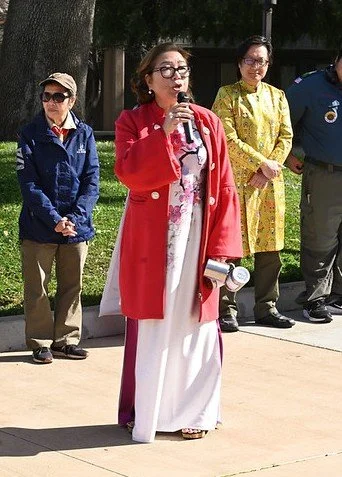
Kim Hanh Nguyen
American Heritage
Camping
Citizenship in Community
Citizenship in Nation
Citizenship in World
Citizenship in Society
Communication
Cooking
Emergency Preparedness
Environmental Science
Family Life
First Aid
Personal Management
Traffic Safety
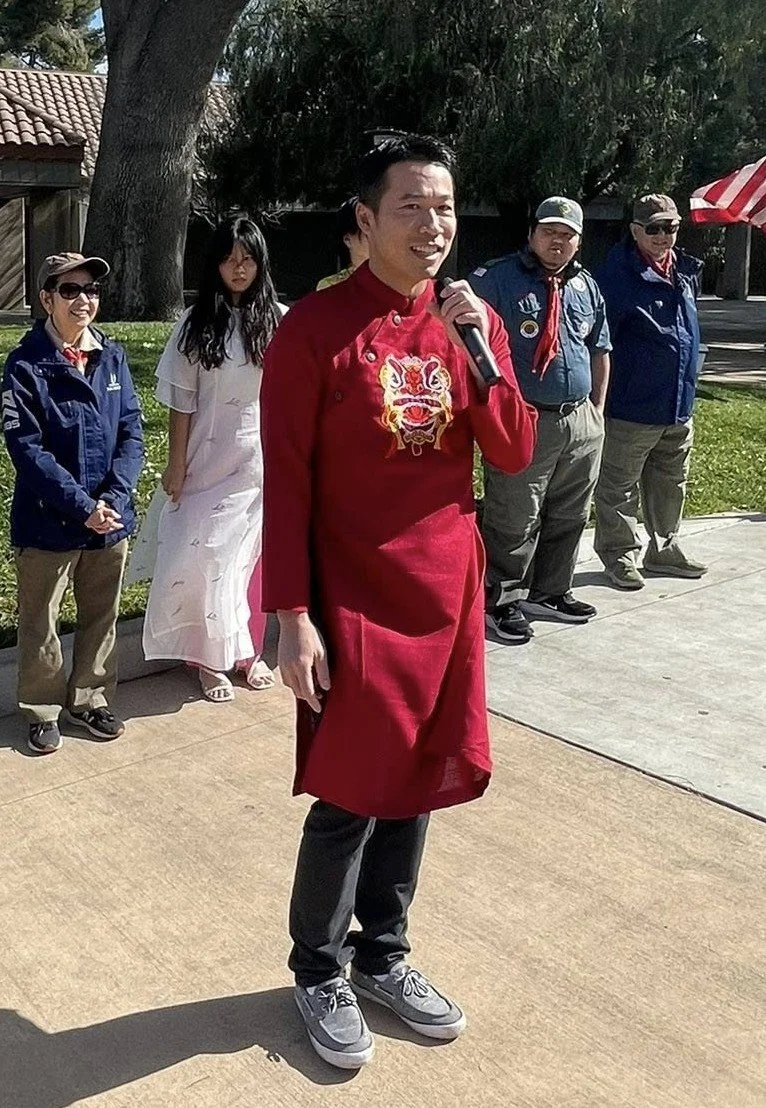
Bao Nguyen
Camping
Citizenship in the Community
Citizenship in the Nation
Citizenship in the World
Communication
Emergency Preparedness
Engineering
Environmental science
Family Life
Fire safety
First Aid
Home Repairs
Personal Management
Swimming
Wilderness Survival
How to sign up & complete a Merit Badge?
Scout signs up in Google Classroom
Class code: Shared Drive → General - LDRK
Scoutmaster assigns Scout to MBC in Scoutbook
Scout learns in person, online, or at their own pace
Scout turns in each requirement in Classroom
MBC reviews each submission online in Classroom & marks each finished requirement in Scoutbook
MBC clicks Counselor Approved
Scoutmaster clicks Leader Approved